Manage your Asthma with an iPhone

You probably know the value of using a peak flow meter to help monitor your asthma. The meter measures how hard you can breathe out and provides useful feedback on whether your meds are working for you or whether you need to do anything different. To get the most out of a peak flow meter, you really need to store the data to get a pattern of what’s happening over a period of weeks and months. That’s useful material to take to your regular asthma management check up. To log the readings you can use a simple diary format, or perhaps a spreadsheet – which can sometimes seem like a bit of a chore.

If you’re wedded to your iPhone, however, you might already have come across the free AsthmaMD app which was launched earlier this year. Dr Sam Pejham, a doctor and researcher based in California, devised AsthmaMD to help people keep track of their asthma – through entering their meds, triggers, and other data, including peak flow readings on a regular basis. This gives you an instant snapshot of your peak flow pattern and the current state of your asthma which you can link back to any triggers or activities.

For a demo and setup instructions, check out this clip:

You can email the data to your doctor or asthma nurse and you can also use it to help others. Users can opt in to share this data anonymously with the AsthmaMD service where it is put together and sent to researchers. Dr Pejham and his colleagues say that, for instance, they could pinpoint a patient’s location when they have an asthma attack and find out if pollutants or weather conditions at the time were responsible. They could also use the meds data to find out more about how effective they are in different age groups and how different triggers affect people. We’ll probably see updates and more apps to help with allergies and other health conditions. They’re part of a growing trend in using technology to drive personal health care and put the patient more in charge when it comes to managing a chronic condition like asthma.


Living with Dust Mite Allergies

Dust mites are relatives to ticks and spiders. But dust mites are so small, that they can not be seen with the naked eye. These arachnids (i.e. group of arthropods that include spiders, scorpions, ticks and mites) have eight legs, and the females can produce more then 200 offspring in their short life span. Due to their fertility, up to 1,000,000 living dust mites can inhabit one single bed, in addition to millions of dead ones.
Dust mites live in mattresses, pillows, comforters, carpets, blankets, curtains and upholstered furniture. They are present in more or less every household, but especially thrive under warm and humid conditions. Just like bed bugs, dust mites live where humans are, because their main source of food comes from the human body. Dust mites live from eating shedded human skin cells, whereas bed bugs live from drinking human blood.

Dust mite allergies are very common. But it is not the dust mite directly that triggers allergic reactions and asthma attacks, but rather the dust mite’s feces pellets and the fragments of their dead bodies. These particles become air borne and are then easily inhaled during the day or at night when one is sleeping. One of the main problems in fighting dust mites is that the dust mite particles can cause allergic reactions and asthma attacks long after the dust mite has died.

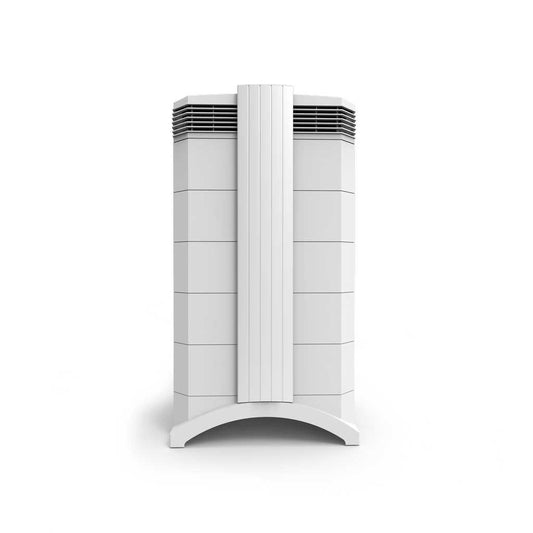
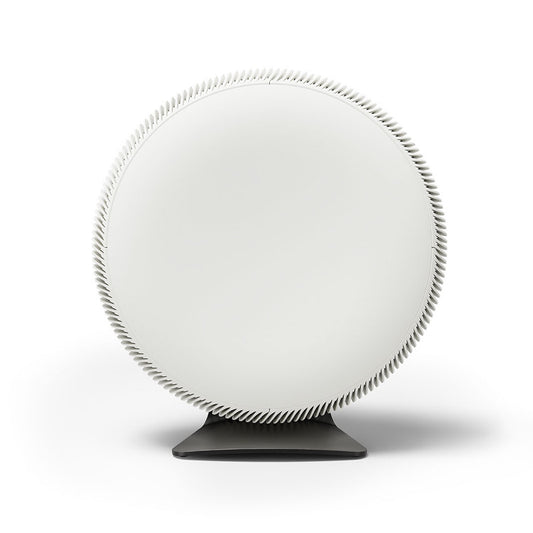
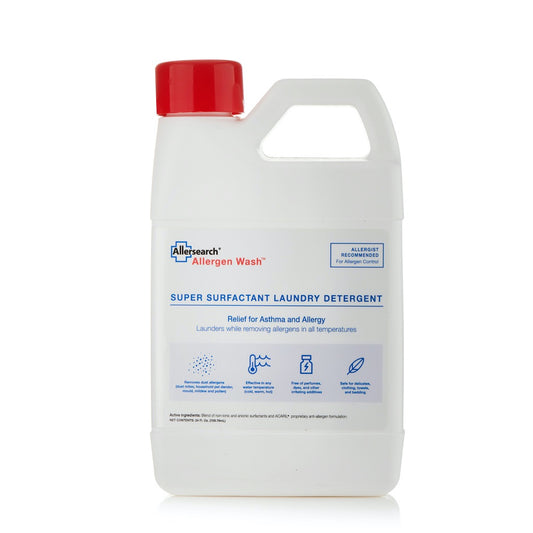
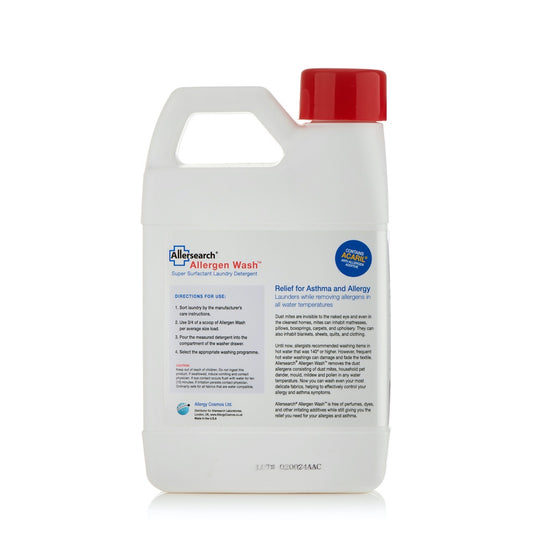
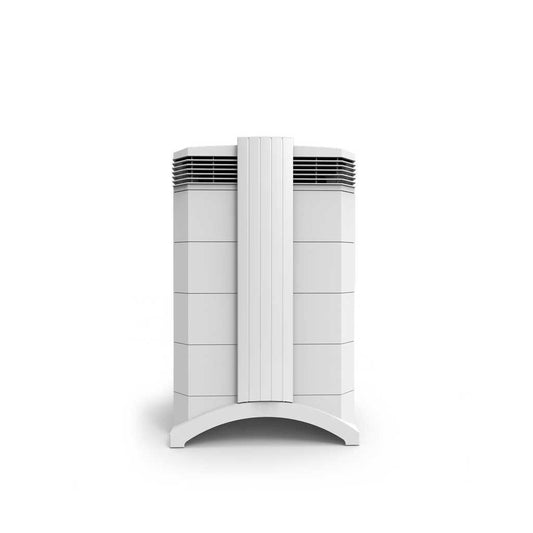
There are, however, several effective steps you can take to fight dust mites in your home. One is to use allergic encasings for your bed. These encasings create a protective layer between you and the dust mites. Allergic encasings are more tightly woven then regular bedding, so that they trap dust mites and their allergens away from you and your family. All of your bedding should always be washed with anti allergen laundry detergent. Using high quality allergy friendly cleaning products will help to break down dust mite allergens (as well as other allergens such as pet dander and pollen). Another important step in limiting your daily exposure to allergens in your home is the use of a high efficient room air purifier. A good air purifier will filter the air in your home and take out dust mite allergens, as well as most other air pollution.

Tagged with:
 

Allergies: Further Food for Thought.

In line with our recent post about Dr. Andrew Weil and hay-fever, there is a lot of discussion about the effects that certain diets can have on your allergies. Some foods are believed to cross-react with pollens, making allergic symptoms worse at certain times of the year.  For instance, it is suggested that if you’re allergic to birch pollen, your hay fever can be made worse by apples. If so, it would be good to talk to a pharmacist or allergy specialist to discover what pollens you are allergic to, by establishing when your symptoms start and cease and which plants and trees are flowering in your area during that time. After that you can play around to see which foods may cross-react with these pollens and eliminate them from your diet at the appropriate times.

Here are some the pollen and food combinations that might make your symptoms worse:

CULPRIT: Birch – March to May

WATCH OUT FOR: Celery, curry spices, raw tomato, raw carrot, apples, pears, kiwi

CULPRIT: Grasses – May to August

WATCH OUT FOR: Oats, rye, wheat, kiwi, raw tomato

CULPRIT: Weed – May to August

WATCH OUT FOR: Raw carrots, curry spices

CULPRIT: Mould – September to October

WATCH OUT FOR: Yeast

Muriel Simmons, chief executive of Allergy UK advises: “Once you know what pollen you’re allergic to, remove the foods known to cross-react with it from your diet for a week and note your symptoms. Then gradually reintroduce them and see what effect it has. But be aware that not everyone with hay fever is affected by foods…The good news is that most pollens are only around for two or three months so you don’t have to give up these foods for ever. And in some cases, especially with tomatoes, cooking will destroy the protein that’s triggering the reaction.”  Did you experience increased allergy symptoms when eating certain kinds of foods at a certain time of the year?  If so, I am curious to hear which combination is causing you to expereince increased asthma symptoms.

Ref:

  • Mirror.co.uk 24/04/2007
  • The Asthma Sourcebook, Francis V. Adams, M.D.
  • The Food Doctor Blog
  • Diet.co.uk

Ref:

Tagged with:
 

One month ago we moved into a new flat. The flat is beautiful but the carpet in it was dirty, stained and had this musty smell. It looked like it is about 10 years old and has been used by many different tenants. It did not take me long to decide to steam clean the carpet, and I am so happy I did.

Steam Cleaning Your Carpet to Kill Dust Mites

Did you know that if you have a carpet at home, it is most likely inhabited by millions of dust mites? Did you also know that living with dust mites can cause you to develop allergies and even asthma and will increase the allergy and asthma symptoms you already have? To prevent this, steam cleaning the carpet on a regular basis is a good idea. Steam cleaning not only removes dirt and bacteria from your carpet, but also washes out dust mites and dust mite allergens, pollen, and pet allergens.

You can buy a steam cleaner and wash your carpet yourself or hire a professional to do it for you. I decided to hire a professional. A good steam cleaner functions like a washing machine for your carpet. The key is to use plenty of fresh water while at the same time leaves as little water behind in the carpet as possible. A professional steam cleaner uses up to 45 liters of fresh water for one to two rooms. Any descent steam cleaner will also allow you to adjust the temperature of the steam. A professional steam cleaner can release steam that is up to 160 degrees hot, which is so hot it will kill all dust mites, but also melt most synthetic carpets and shrink wool carpets (just as your wool sweater would in the washing machine). However, if the water is too cold the steam cleaner will not kill the dust mites and will not properly clean the carpet either. For a wool carpet the steam should be 50-60 degrees hot, and for most synthetic carpets you can heat the steam to 70-80 degrees.

Professional Steam Cleaner

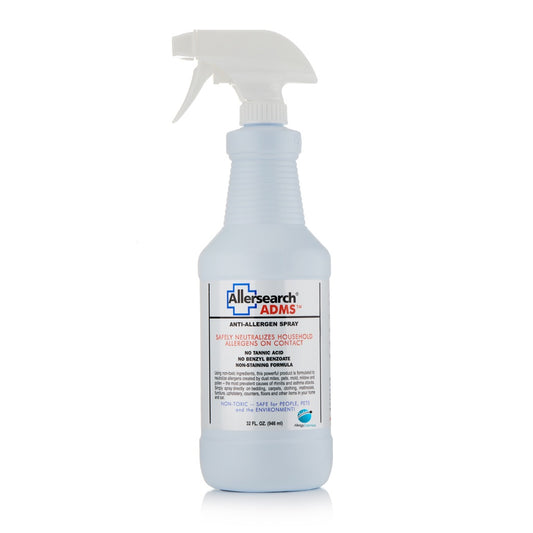
You will be happy to know that dust mites will be killed when exposed to 60-degrees. But to break down dust mite remains and get as much dirt out of the carpet as possible, you should also use carpet-cleaning detergent with the water. For our wool carpet, the person we hired used “Formula 90 Powder,” for a synthetic carpet he would have used “Power Burst.” If you want your carpet to smell good as I did, you can ask to have him mix a lemon refresh deodorizer into the steaming water. All the products he used are supposedly especially allergy and asthma sufferer friendly. Just remember, wash your hands well after handling any cleaning chemicals. Allersearch makes a fantastic range of domestic allergy friendly cleaning products.

Depending on how your carpet is attached to the floor, you might find more dust collecting on the carpet along the wall. This was the case in our flat and definitely needed a bit more attention. The reason for this is that many carpets are attached to a metal rod that keeps the carpet in place. Walking on the carpet creates friction, which magnetizes the metal rods and carpet, so that they attract more dust and dirt.

After your carpet has been steamed cleaned let the carpet dry. Depending on the carpet this could take anywhere between two to four hours. If you are sensitive to gases and fumes, as I am, you might want to leave the house during that time. If possible, don’t walk on the wet carpet either, especially not barefoot or with dirty shoes. To avoid your furniture from staining your carpet, you should place small plastic sheets under the legs of your furniture in every room. Because my carpet was professionally cleaned, these sheets were provided to us.

Steam cleaning your carpet (if it is done right) makes a world of difference. In the last couple of weeks since the carpet has been cleaned my allergic reactions have decreased a lot. I can sleep better, my eyes do not itch as much and I am less congested. The company we used to steam clean our carpet charged £ 58.00 for a large one bedroom flat with two walk-in closets. So, from one flat renter with dust mite allergies to the next, I can highly recommend properly steam cleaning your carpet! If you have any further tips or suggestions regarding steam cleaning your carpet, please share them with me – thank you.

Tagged with:
 

Dr. Weil, Hay-Fever & a Basket of Fruit

Allergy and Hey-fever specialist

Dr. Andrew Weil

I have been reading extensively about issues regarding hey-fever lately. Especially well written and resourceful was Dr. Andrew Weil’s article in the Huffington Post on 15th June. In the article Dr. Weil lists a number of steps that can be taken to prevent and alleviate the symptoms of hay-fever without the use of conventional treatment such as antihistamines. Dr. Weil outlines many of the points I have covered in my previous post on hey-fever, such as dust-proofing your home and filtering the air by investing in an effective HEPA air-purifier.

What I found particularly interesting, however, was Dr. Weil’s well-written account about diet and the impact that it can have on hey-fever and allergies in general. He writes that: “the vigilance of the immune system is influenced heavily by the consumption of pro-inflammatory or anti-inflammatory fats.” He points out that milk and milk products should be eliminated from our diet as the protein in cow’s milk can irritate the immune system and keep it in a state of over-reactivity.

Inspired by Dr. Weil account of how diet can reduce our hay-fever and other allergy symptoms, I then compiled the following list from the other articles and books I studied:

Foods to increase:

  • Vitamin C and beta-carotene found in berries, dark green vegetables and numerous fruits contain the main antioxidant found in our respiratory passage and therefore these foods can offer relief from hey-fever symptoms by having a possible antihistamine and anti-inflammatory effect.
  • Essential fatty acids: Foods rich in Omega-3 oil such as oily fish, nuts, seeds and their oils are recommended for fighting allergy symptoms. They contain prostaglandins, hormone-like chemicals with anti-inflammatory properties. As nuts are a fairly common allergen, please make sure you are not allergic to them first!
  • Chamomile, ginger and peppermint also can have an antihistamine effect and offer relief from allergy symptoms – though to a lesser degree.
  • Garlic and onions, kale and broccoli: are sources of quercetin, another powerful anti-inflammatory that can reduce allergic symptoms. Garlic and onions also boost the immune system by increasing production of white blood cells, which deal with allergic reactions. Quercetin can also be found in blue-green algae, spirulina, chlorella and kelp.
  • Bromelain in pineapple and nuts is also useful in boosting the anti-inflammatory prostaglandins. It may, however, be better in supplement form as these foods are fairly common allergens.
  • Consider taking a tablespoonful of local honey everyday starting a few months before the pollen season starts – this may act as a form of oral desensitisation (the honey will have been contaminated with pollen).

Foods to avoid:

As well as dairy suggested by Dr Andrew Weil, wheat and citrus fruit have also been flagged up as increasing histamine production and thus should be avoided by allergy sufferers. Wheat and dairy also increase mucus production, which makes the symptoms of hay-fever worse.

Saturated fats found in red meat, dairy and sugary foods contain pro-inflammatory substances that can aggravate allergy symptoms and increase mucus production as well.

Ref:

  • Dr Andrew Weil, Huffington Post, 15th of June
  • Times on Line
  • The Food Doctor Blog
  • Diet.co.uk
Tagged with:
 
Blog WebMastered by All in One Webmaster.