Need help? Phone us 0800 0148 667 9am to 8pm - 7 days a week
Shopping Cart Items: 0 Total: £0.00 Go To Shopping Cart »

Allergy & Allergies

Allergy Air Purifiers | Allergy Cleaning Products | Allersearch Laundry Detergent 

The burden that allergies cause is getting more and more public attention. On the one hand, there is more education and understanding regarding the immense impact that allergies have on our lives. On the other hand, the number of allergy sufferers has been steadily increasing for the last couple of decades. An allergy is an immune response to exposure to a normally harmless substance such as pollen, dust, mould, and pet dander, which shows itself in symptoms such as sneezing, coughing, wheezing, or swelling.

A key step in controlling your allergy symptoms is to practice allergen avoidance - that is limit your exposure to the partciles in the air that cause your allergy symptoms.  

To best controll your allergy symptoms:

  • Find out what you are allergic to
  • Capture allergy symptom causing pollution by using an air purifier 
  • Wash bedding and other fabrics with Allergy Friedly Cleaning Products 
  • Use Allergy Dust Sprays to clean your home
  • Use a leakage free vacuum cleaner
See our entire range of Allergy Relief Products

Allergy FAQ

Top Allergy Products per Category:

Allergy Cleaning Products

Allergy Cleaning Products

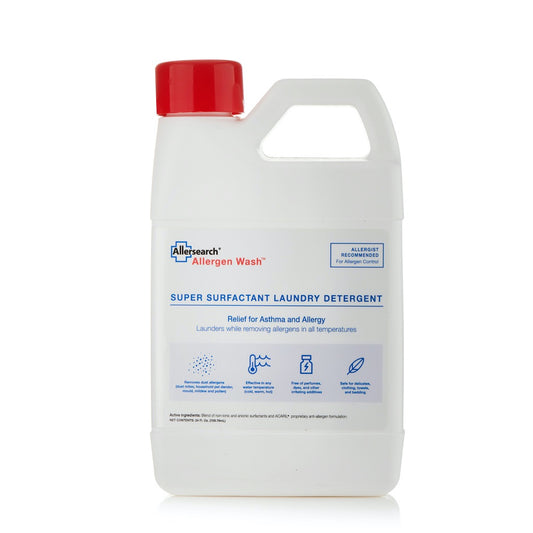
The Allersearch range of cleaning products is the number one choice for allergy sufferers around the world. The products are tried, tested and recommended by allergy specialists. Click here to see our entire range: Allergy Cleaning Product

Allergy Air Purifier

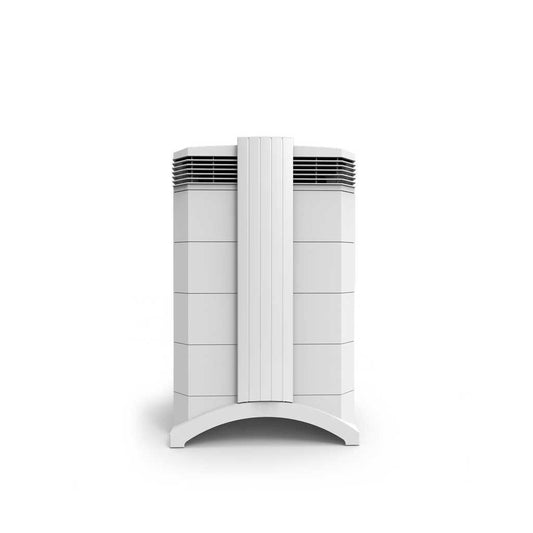
Hay-fever, dust-mite, gras or mould allergy - whatever allergens you want to take out of the air, a good allergy air purifier will capture large and small particles.  We offer a broad range of sizes, ideal for any room. To find the right allergy air purifier for your home, click here: Allergy Air Purifier

FAQ about Allergies:

FAQ about Allergies


What is an allergic reaction?

top of page ^

An allergic reaction is a noticeable immune response to exposure to an allergen by skin contact, inhalation, ingestion or, in the case of certain drugs or insect venom, injection into the skin. Previous exposure to the allergen may have sensitised the immune system to the substance. This, in itself, does not produce symptoms but ensures that the immune system is ‘primed’ to produce a reaction next time exposure occurs. A non-allergic person will not have a reaction to an allergen. It is caused by an ‘over-reaction’ of the immune system to a substance (the allergen) which is normally considered harmless.

The modern concept of allergy was first introduced into medicine by the Austrian paediatrician Clemens von Pirquet in 1906, although allergic diseases like asthma and eczema have been described by physicians throughout the course of human history.  Allergy should be distinguished from atopy, which is a tendency to produce a specific immune molecule called immunoglobulin E (IgE) in response to exposure to common allergens (something that can be readily demonstrated in a laboratory test). Although there is a strong link between atopy and allergic disease, not everyone with atopy develops an allergy. Similarly, there are some patients with symptoms that are compatible with allergic disease, yet who do not produce IgE on exposure to allergens. Allergy is also not necessarily the same as sensitivity or intolerance to a substance. This is particularly so in the area of food where, for instance, lactose intolerance is not classed as a food allergy because the symptoms do not come from the immune system.

What are the common allergy symptoms?

top of page ^

Allergy symptoms vary with the type of allergy (see above) but commonly include:

  • Skin rash
  • Coughing, wheezing
  • Itching
  • Running eyes, nose
  • Nausea, vomiting and diarrhoea
  • Swelling

How common is allergy?

top of page ^

Exact figures are hard to come by, but around 30% of the UK population is affected by allergy at some time during their lives. The prevalence of allergy has been increasing by around 5% a year and the UK has the highest allergy rate in Europe. No-one knows why allergy seems to be increasing. It may be that awareness and diagnosis have improved in recent years, or changes in the indoor and outdoor environment have made allergens more common, resulting in more frequent exposure.

What are the risk factors for allergy?

top of page ^

The following risk factors have been identified:

  • Genetics. If both parents are allergic, the risk of allergy in a child is 75%. If only one parent is allergic, the risk is 50%. The risk among the general population is around 10-20%.
  • Age, sex, position in family. Children are, on the whole, more likely to suffer allergy than adults (there is a tendency to ‘grow out of’ allergic disease, although it can also develop for the first time in an adult). More boys than girls have atopy, asthma, and hay fever, although this difference between the sexes tends to level out in adult life. Children from large families and those with older siblings are less likely to develop allergies (this is believed to be because they are more exposed to childhood infection, which makes the developing immune system less likely to over-react to an allergen).
  • Early-life, or extreme/sudden, allergen exposure. There is some evidence that exposure to allergens like cigarette smoke, traffic pollution, dust, pollen, mould and pet dander in early life may increase a child’s risk of developing an allergy.  In 1994, what was probably the world’s worst asthma ‘epidemic’ occurred in the UK, with hospitals across the country being overwhelmed with admissions. Many feared there had been a leak of poison gas, but some experts now believe that the severe thunderstorms of June that year had produced an unusually high level of tiny particles of pollen in the air, which had triggered asthma attacks in susceptible people (including many who only normally suffered from hay fever).
  • Bottle-feeding. Breast feeding for six months or more has been shown to increase the risk of asthma and other allergies in babies.
  • Prematurity. Premature babies are more at risk of developing allergies than full-term babies.

What are the most common allergic diseases?

top of page ^

Asthma. In asthma, reversible narrowing and hyper-responsiveness (‘twitchiness’) of the airways, in response to allergen exposure, produces symptoms of wheezing, coughing, chest tightness and breathing difficulty (harder to breathe in than breathe out). Asthma attacks are caused by triggers which are either allergens, like house dust mite, mould, or pet dander, or irritants like cigarette smoke, traffic pollution or cold air. Asthma is potentially the most serious of the allergic diseases. In the UK, during 2008-9, there were nearly 80,000 hospital admissions for asthma of which nearly half were of children aged 14 or under. In 2009, ther were 1,131 deaths from asthma in the UK, of which 12 were of children aged 14 or under (figures from Asthma UK).  To learn more about asthma, visit our Asthma Information page.

Hay fever (seasonal rhinitis). Hay fever is characterised by itching nose and eyes, sneezing and runny nose and in the UK is caused mainly by exposure to grass pollen (perennial rye, timothy grass).  Check out our Hay-Fever page to find out more.

Perennial rhinitis. Rhinitis that persists all year round is known as perennial rhinitis. Sometimes people with perennial rhinitis do experience worse symptoms in the pollen season. Around 50% of those with perennial rhinitis have an allergy while the rest have some other problem with the nose or sinuses. Check out our Rhinitis page to find out more.

Eczema. The word eczema means ‘boiling’ and refers to the inflammatory rash that appears on the skin.  The condition itself is often known as atopic eczema and is caused by an allergy. The word dermatitis, often used interchangeably with eczema, refers to any skin inflammation, allergic or not.

Urticaria. Also known as nettle rash (from the latin word ‘urtica’ for nettle), urticaria shows up as small, itchy swellings or larger red patches on the skin. Allergens like bee and wasp stings, certain foods and drugs like pencillin may cause urticaria, but there are also non-allergic causes.

Food allergy.  A number of allergic disorders can be triggered by food and so food allergy is not really a disease in its own right. Food allergy, which involves the IgE pathway of the immune system, is not the same as food sensitivity or food intolerance. The former is a term that has come to describe any adverse reaction to food, including allergy, while food intolerance describes any adverse reaction to food not caused by an allergic mechanism.

Bee or wasp sting allergy. An allergy to the venom of a bee or wasp sting can cause redness, swelling and pain at the site. Bee or wasp venom is the second most common cause of anaphylaxis, a severe and potentially fatal allergic reaction involving the whole body.

Allergy to drugs. An allergy to a drug can cause anaphylaxis, urticaria, and angioedema, a condition involving swelling beneath the skin resulting in noticeable puffiness of the face and throat. Penicillin allergy is the most common cause of anaphylaxis.

What are the common allergens?

top of page ^

The most common allergens in the UK are inhaled allergens, in the following order:

  • House dust mite
  • Grass pollen
  • Cat dander
  • Tree pollen

Common food allergens include: shellfish, peanuts, tree nuts, strawberries, cow’s milk, eggs. Mould spores, insect venoms, latex and a number of chemicals and drugs are also significant allergens.  Be also aware of allergy triggers such as:

  • Traffic pollution
  • Certain chemicals and gases
  • Cigarette smoke

When is the Allergy Season?

top of page ^

If you are allergic to pollen, you will need to be aware of seasonal variations. Other allergens, like house dust mite, tends to be present year-round. The pollen season is different for different plants and, put simply, it last from early spring to late autumn. With global warming on the horizon, it may be that our pollen season will get longer and longer. Here’s what to expect:

First out is tree pollen from mid to late March to mid-May. The season for each tree species lasts three to four weeks. These trees (listed from early to late with respect to their season) are associated with pollen allergy: Hazel, alder, poplar, ash, birch and oak. This year, the start of the pollen season has been delayed because of the harsh winter.

Next is the grass pollen season, which begins in mid-May and ends in July. Grass pollen allergy is more common than tree or weed pollen allergy. Grass pollen grains are relatively large and tend to affect the nose and eyes more than the lungs. Foxtail, oat, dogstail, timothy and meadow grasses are most usually associated with allergy in the UK. The grasses release their pollens from April to July.

Finally, the weed pollen season overlaps and extends beyond the grass pollen season – from the end of June to September, the exact duration depending on the species of weed. Dock weed has the longest pollen season. Other weeds associated with pollen allergy include nettle, sorrel and ragweed.

How is allergy diagnosed?

top of page ^

A skin prick test is the usual test for allergy. A tiny drop of an allergen extract is placed on the skin (either the arm or the back). If the person is allergic to this substance, a small red weal will appear, usually within 15 minutes.

How common is allergy?

top of page ^

One person in three in the UK suffers from an allergy at some time during their lives, with half of those having an allergy being children. Allergic rhinitis is the most common allergy. Rates of allergy have increased in recent years, although the reason for this is not clear.

How to best manage an allergy?

top of page ^

The best way to manage an allergy is always allergy avoidance. There are several ways in which you can do this, depending on what the allergen is. Some general allergy avoidance tips include:

  • Regular dusting and vacuuming (with a vacuum fitted with a HEPA filter) to remove house dust mite allergen
  • Dealing with damp to get rid of mould spores
  • Clean your home regularly with Allersearch's allergy cleaning products
  • Using an air purifier to remove airborne allergens like animal dander, pollen, dust mite allergens, traffic pollution and more.

What are the best allergy treatments?

top of page ^

There are a number of different drugs that can be used to treat the symptoms of allergy. The choice should depend upon the nature of your allergy and how serious it is. The medications include:

  • Corticosteroids, which damp down inflammation and are available in topical and oral form.
  • Antihistamines, which block the action of histamine. Older antihistamines, like diphenhydramine, cause drowsiness, while the newer longer-acting drugs, including loratadine, do not.
  • Decongestants, like Claritin, are helpful in treating hayfever symptoms.
  • Leukotriene receptors antagonists, like montelukast, may be useful in allergy cases where antihistamines have not proved effective. 

Can an allergy be cured?

top of page ^

Immunotherapy may reverse the sensitisation process in some allergy cases. It involves giving tiny amounts of allergen and thereby ‘retraining’ the immune system not to over-react as it does in an allergic reaction. Patients have to be carefully selected, and treated in a specialist centre.  The procedure now involves only four injections and has been shown to give lasting benefit. There is also a home version known as sublingual immunotherapy, in which the patient places medication under the tongue (currently only available for grass pollen allergy).

Ref:
  • Allergy-Free Living –How to create a healthy, allergy-free home and lifestyle. Dr. Peter Howarth and Anita Reid.
  • www.medterms.com