If you suffer with asthma or some other allergy, then the top tips for allergen avoidance can significantly benefit you. Allergen avoidance can help you gain control, reduce symptoms and reduce your reliance on medication. But how do you go about limiting your exposure to every day allergens? What is practical and realistic? Dr. Thomas Platt-Mills, of the Asthma and Allergic Diseases Center and the University of Virginia Medical Center provides some excellent advice on how to best avoid house dust mite, cat and insect allergens. Have a read of the top tips for allergen avoidance put together by our experts and see if there is anything you are missing out.
House Dust Mite
Dr. Platts-Mills has been named ‘Dr. House Dust Mite’ because of his expertise in this area:
- House dust mites love moisture, so control the humidity in your home. In a dry area, opening the windows regularly may be enough. If you live in a more humid place, then consider air conditioning or a dehumidifier.
- Deprive the house dust mites of a place to settle by removing carpets and curtains wherever possible. Bedding is their favourite place of course, so investigate mite-proof bedding and wash covers at high temperatures (60°C or 140°F) or use an allergy laundry detergent such as Allergen Wash from Allersearch, which destroys dust mite allergens on contact and at any water temperature, hot or cold.
Cat allergen
Cat allergens are readily air-borne and have a ‘sticky’ quality which means they can travel far and settle in places where the cat itself has not been present. This makes cat allergies hard to control. Try these tips:
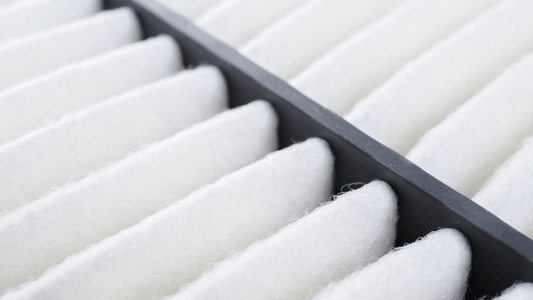
- As with house dust mites, the removal of carpets, curtains and other soft furnishings will reduce the amount of cat allergen. Vacuum often, ideally with an allergy vacuum cleaner fitted with a HEPA filter. This will trap cat allergen-bearing particles.
- Clean your home and laundry with special allergy friendly cleaning products such as Allersearch.
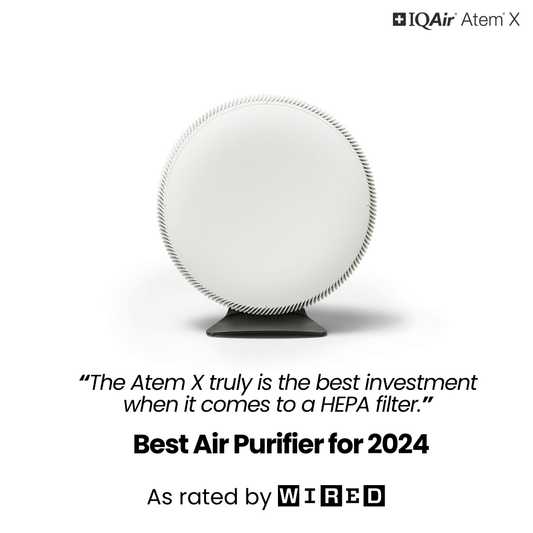
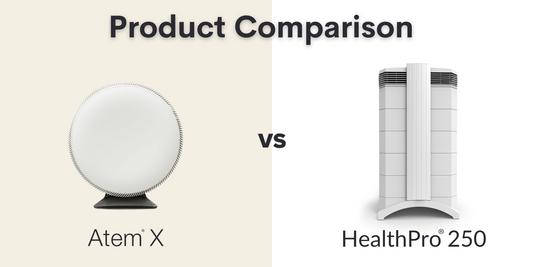
- A HEPA or HEPA-like allergy air purifier can also effectively remove cat allergen from the air in your home. But you should make sure that you buy the right kind of air purifier in terms of its effectiveness, your area of concern and the space that you want to clean the air.
Insect allergen
Not a nice thought, but cockroaches and other insects can be present in warm places, especially if food is lying around. Buildings that are heated all year round like apartment blocks or hospitals, are more likely to harbour cockroaches.
Insecticides can kill cockroaches and their relatives, or you could use some kind of bait to trap them. Dr. Platts-Mills mentions that baits with boric acid and hydromethylnon have been proven to reduce insect infestation in New York City.
- Get rid of cracks or gaps in your building where the insects may be entering.
- Control the food supply so as not to encourage insects. Keep it in the fridge or in covered containers and do not leave unwashed pans and dishes lying around.
- Aggressive spring cleaning will get rid of accumulated, yet invisible, insect allergen.
Dr. Platts-Mills take home message in regard to allergen avoidance is that although specific advice varies for these three allergens, there are general measures you can take for avoidance of a range of allergens. Minimize allergen ‘reservoirs’ like carpets, sofas and curtains. Keep your home dry which reduces mould as well as house dust mite. A room air cleaner is very helpful, especially if used in conjunction with the above measures. Allergen avoidance may involve time, effort and expense, but the investment should pay off in terms of reduced allergy symptoms, improved health and a better quality of life.
Visit our shop today for the best Allergy Relief Products.