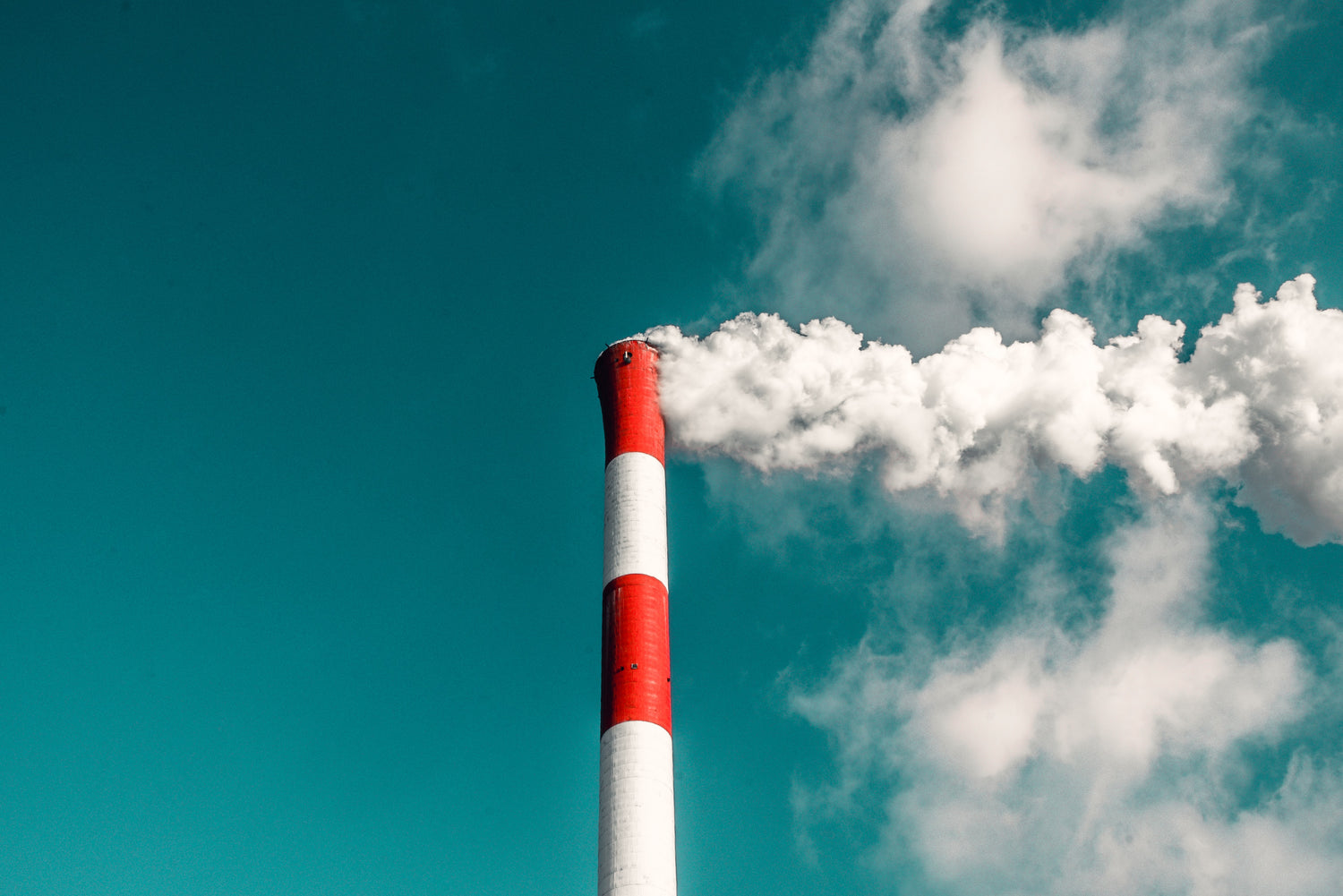
Air Pollution
On average, 8-10 thousand litres of air pass though our nose, mouth and lungs every day. Oxygen is conveyed from the lungs to the tissues and cells of the rest of the body. The causal link between pollution in the air we breathe, and many of the pollution’s negative effects on our health are well known and documented. Countless research studies in the last 30 years have examined how air pollution affects different facets of our well-being.
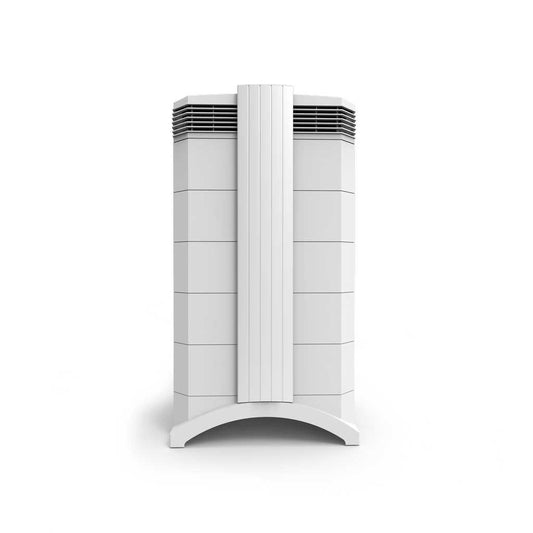
We offer Air Purifiers that can:
- Protect you and your family’s health from harmful air pollution.
- Make a real difference in the life of people who suffer from allergies, MCS, asthma, and other respiratory problems.
- Effectively remove virtually all particulate, chemical & odour pollutants, including viruses and bacteria.
- Be tailored to control any airborne contamination, including chemicals, odours, and particle pollution.

Top Air Purifiers per Category:
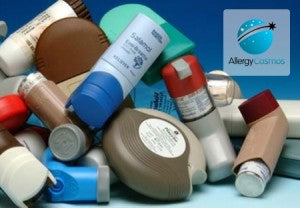
Asthma Air Purifier
When choosing an air purifier to eliminate asthma triggers, you want to make sure to use an air purifier that a) provides you with the best possible filtration efficiency, and b) has excellent chemical and gas filtration. Click here to see our range of medical grade air purifiers: Asthma Air Purifier
Allergy Air Purifier
Hay-fever, dust-mite, gras or mould allergy - whatever allergens you want to take out of the air, a good allergy air purifier will capture large and small particles. We offer a broad range of sizes, ideal for any room. To find the right allergy air purifier for your home, click here: Allergy Air Purifier
HEPA Air Purifier
True HEPA filtration is the most reliable and effective way to take particle pollution out of the air. Hospitals and laboratories rely on this filtration technology to protect us against viruses, bacteria, fine and ultra fine particle pollution. Click here to see the best HEPA air purifiers: HEPA Air Purifier
Cigarette Air Purifier
Cigarette smoke is difficult to filter out of the air. It consists out of toxic chemicals, ultra fine particle and lingering odours. It is not realistic to achieve a perfect result, however, the IQAir GC MultiGas is as good as it gets. Reviewed and recommended by the Cigar Aficionado Magazine: IQAir GC MultiGas
FAQ about Air Pollution:

- What is air pollution?
- What is particulate matter (PM) air pollution?
- What is gaseous air pollution?
- What are the health effects of air pollution?
- What are the main components of urban air pollution?
- What is indoor air pollution?
- What are the health effects of indoor air pollution?
- How can I protect myself from air pollution?
What is air pollution?
Air pollution is the introduction of any substance into the atmosphere of any substance that can cause harm to humans, or any other living organism, or to the surrounding environment. Air pollutants can occur in solid, liquid, or gaseous form. They come from a very wide range of sources. Some, like transportation, industrial processes, and cooking, relate to human activity. But natural processes, like the release of pollen grains and fungal spores, can also cause air pollution. The latter might not usually be considered as polluting but for people with hay fever and other allergies, allergens can be considered as pollutants.
The United States Environmental Protection Agency considers the following as the major air pollutants:
- Particulate matter
- Ozone
- Carbon monoxide
- Nitrogen oxides
- Sulphur dioxide
- Lead.
According to the World Health Organisation, air pollution is responsible for an estimated 2.4 million deaths every year. The average adult breathes 3000 gallons of air every day and may be inhaling a cocktail of different particulate and gaseous pollutants, most of them invisible, as they do so. Air pollution occurs both outdoors and indoors and causes a range of health problems, including asthma attacks, heart disease and lung disease. It has also been linked to lung cancer.
What is particulate matter (PM) air pollution?
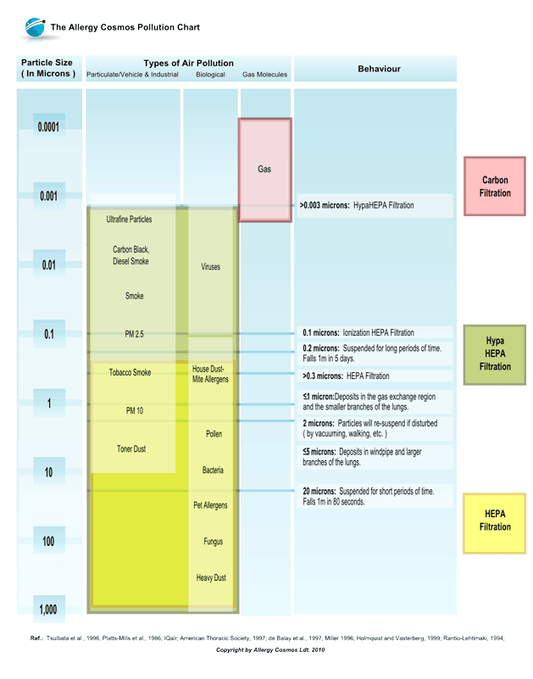
Particulate matter is a complex mixture of solid and liquid particles of organic and inorganic substances suspended in the air. According to the World Health Organisation, PM affects more people than any other pollutant. It is present in the air year-round. There are three classes of PM:
- PM10 – particles with a diameter 10 microns or less but greater than 2.5 microns. Also known as coarse particles, PM10 is found near roadways and in dusty industrial settings.
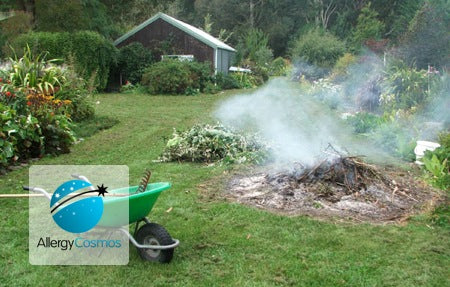
- PM2.5 – particles with a diameter of 2.5 microns or less. Also known as fine particles, PM2.5 is emitted from sources such as fires or may form when emissions from vehicles, power plants, or heavy industry are emitted into the air. PM2.5 is a major cause of reduced visibility (haze) occurring in polluted environments.
- Ultrafine particles – particles with a diameter of 0.1 microns or less, and therefore on the nanoscale. There are a multitude of sources of ultrafine particles, including smoke, volcanic lava, ocean spray, vehicle exhausts, cooking, and office equipment including laser printers, photocopiers, and fax machines.
PM2.5 is more harmful to health than PM10, because these smaller particles can be inhaled deeper into the lungs. Ultrafine particles may be more harmful still although less research has been carried out on this category of particle. Particles with diameters larger than 10 microns tend to settle, rather than remaining airborne and so are not inhaled. Fine and ultrafine particles can remain suspended in the air and may travel through great distances. Only PM10 and PM2.5 currently come under environmental legislation.
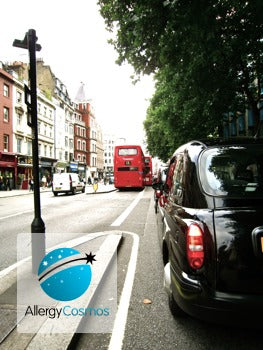
Diesel exhaust is probably the major source of outdoor PM, emitting particles ranging in size from 1-10 microns, while coal and tobacco smoke contain particles contain very small particles, down to just 0.1 micron in size. Pollution from diesel exhaust is a problem in city centres and near busy roads used by lorries and vans. Diesel is oily and when it burns it produces PM consisting of carbon flakes coated with chemicals derived from incomplete combustion of the fuel.
What is gaseous air pollution?
Ozone. Ground-level ozone is produced by chemical reactions occurring between nitrogen oxides and volatile organic compounds from car exhaust fumes, industrial emissions and other sources in the presence of sunlight. Ozone is a highly reactive form of oxygen and a powerful pollutant. This so-called ground-level ozone differs from the ozone layer which is found in the stratosphere and is protective against the harmful effects of sunlight. Ground ozone levels in air tend to peak in late afternoon and early evening. The highest levels of ozone tend to occur in summer time and on sunny days. Ground-level ozone is the major component of smog.
Carbon monoxide. A colourless, odourless gas (so you do not know you are being exposed), carbon monoxide is emitted by combustion processes – outdoors by vehicles and indoors by poorly installed and maintained heating systems, gas stoves, and water heaters.
Nitrogen oxides (NOx). This is the name given to a group of highly reactive gases comprising nitrogen dioxide, nitrous acid, and nitric acid. The exhausts of cars, trucks and buses are the major source of NOx pollution.
Sulphur dioxide. An acidic gas, sulphur dioxide is emitted from fossil fuel power stations and other industrial facilities.
Lead. The main source of lead pollution used to be car exhausts, but that has stopped thanks to lead-free petrol. Today lead pollution is found around lead smelters. Other sources include metal processing and certain aircraft still using leaded fuel.
What are the health effects of air pollution?
Particulate matter. The size of PMs is related to their health risk. The smaller the particle, the more able it is to get into the lungs and even the bloodstream. People with heart and lung disease, children and older adults are most vulnerable to the health impact of PMs; there is a link with premature death in those with heart and lung disease. Chronic exposure to PM contributes to the risk of developing cardiovascular and respiratory disease, and of lung cancer. In less developed countries, where indoor wood burning stoves are common, PM from combustion increases the risk of acute lower respiratory infection and associated mortality among young children. It is also a risk factor for chronic obstructive pulmonary disease. Mortality in cities with high levels of pollution exceeds that in cleaner cities by 15-20%
PM aggravates asthma symptoms, decreases lung function, and causes a general increase in respiratory symptoms like coughing and breathlessness. Exposure to PM is also linked to irregular heartbeat and non-fatal heart attacks.
Ozone. Exposure to ozone can trigger asthma, reduce lung function, and cause breathing problems. Studies have shown that daily mortality goes up by 0.3% and that for heart disease by 0.4% per 10 microgram/cubic metre increase in ozone exposure. Repeated exposure may cause permanent lung damage.
Carbon monoxide. This gas interferes with the transport of oxygen through blood to organs and tissues. Exposure can be very dangerous for those with existing heart conditions, because they already have impaired oxygen-carrying capacity. At very high levels, exposure to CO can be fatal.
Nitrogen oxides. Long-term exposure to nitrogen oxides increases symptoms of bronchitis in asthmatic children. Research has also shown an increase in emergency room visits and hospital admissions for lung problems, especially asthma, after exposure to short-term increases in NOx. Such exposures are more likely among those spending time on or near major roads.
Sulphur dioxide. This pollutant causes irritation of the eyes, and also inflames the lungs, with coughing and aggravation of asthma and bronchitis. Hospital admissions and mortality from heart disease increase on days of high sulphur dioxide levels. Similarly, higher levels are linked with more admissions for respiratory illness, particularly among children, the elderly, and people with asthma.
Lead. Exposure to lead can affect the nervous system, the kidneys, immunity, the reproductive system, and the heart. Infants and young kids are especially sensitive to even low levels of lead, which may lead to reduced IQ and behavioural problems.
What are the main components of urban air pollution?
Heavy traffic and areas of industrial activity are the main sources of urban air pollution. Vehicles emit nitrogen oxides, polluting in themselves and also capable of reacting with volatile organic compounds on sunny days to form ground levels ozone. Diesel exhaust is a major source of PM pollution. Therefore, anyone living by or spending time near congested roads is at risk from the health effects of urban pollution. Sulphur dioxide levels may be high in the vicinity of heavy industry and coal-fired power stations.
What is indoor air pollution?
Well-insulated and poorly ventilated homes, workspaces, and schools expose us to a variety of indoor air pollution. Not only does external air pollution accumulate indoors, but structural components, internal fittings in buildings, heating devices, furniture, carpets, paints and cleaning products can form a toxic indoor atmosphere. Nitrogen dioxide, formaldehyde, and sulphur dioxide among others irritate the airways and exaggerate allergic reactions.
Indoor air pollution comes from:
- Building materials, furniture and furnishings as well as cooking, heating, smoking and the use of products like paints, varnishes, cleaning products and so on.
- Outdoor pollution entering through cracks and leaks in a building.
- Natural radon gas entering from the basement of a building – maybe less of a concern for those with allergies, but a proven cause of lung cancer.
Indoor pollutants from these sources include: nitrogen oxides, carbon monoxide, particulate matter, radon, tobacco smoke, allergens like mould and house dust mite and volatile organic compounds. While there is plenty of scientific evidence for the health impacts of carbon monoxide and radon, lack of research and monitoring mean that less is known about the dangers of exposure to other indoor pollutants.
What are the health effects of indoor air pollution?
The health effects of carbon monoxide, nitrogen oxides and PM pollution are described above. Also:-
Tobacco smoke reduces lung function, triggers asthma attacks and irritates eyes.
Allergens trigger rhinitis and asthma. The main allergens in the home are house dust mite droppings, fungal particles, pet dander and pollen.
Volatile organic compounds irritate the lungs, with children being especially vulnerable. They include both natural and synthetic chemicals like formaldehyde, coming from several sources including construction products, cleaning products, air fresheners, paints and electrical goods.
How can I protect myself from air pollution?
In the UK, there is a nationwide network of air quality monitoring stations and you can check out outdoor air pollution data on the Defra website. We are bound by EU air quality legislation which is mainly focused upon levels of PM and nitrogen oxides pollution.
Here are some handy tips for avoiding exposure to outdoor pollution
- If you are driving behind a diesel vehicle, like a lorry, taxi, or bus, keep your car windows closed – and keep your distance – to protect yourself from the exhaust fumes.
- Report any vehicle pumping out black smoke to the Vehicle Operator and Services Agency.
- If you cycle, consider wearing a mask. An ordinary dust mask (as used for DIY work) is not enough to filter out urban pollution. Best to go for one with an activated carbon filter and a dust filter, which are sold by cycle shops.
There is also a lot you can do to improve your indoor air quality. Here are some suggestions:
- A High Efficiency Particulate Air (HEPA) filter combined with an activated carbon filter can remove both particulate and gaseous indoor pollution. This might be a particularly wise investment if you happen to live near a busy road, where traffic pollution seeps into your home.
- Vacuum and damp-dust regularly to keep dust levels down.
- Try to eliminate materials that produce volatile organic compounds like formaldehyde such as chipboard, glues, and paints (they are usually labelled in the DIY store these days).
- Keep your home well ventilated and free of damp to get rid of mould spores.
- Make sure gas appliances are regularly serviced to eliminate nitrogen oxides and carbon monoxide pollution.
Links
- United States Environmental Protection Agency. Six Common Air Pollutants
- http://www.epa.gov/air/urbanair/
- World Health Organisation. Air Quality and Health http://www.who.int/mediacentre/factsheets/fs313/en/index.html#
- Clean Air in London. http://www.cleanairinlondon.org
- Air pollution and your lungs – the British Lung Foundation. http://www.lunguk.org/you-and-your-lungs/you-and-your-lungs/air-pollution-and-your-lungs?gclid=CJyes4qupKwCFcgc4QoddjhI_g
- Department for Environment, Food and Rural Affairs Air quality pages. http://www.defra.gov.uk/environment/quality/air/air-quality/
- Committee on the Medical Effects of Air Pollutants. http://www.comeap.org.uk/
- Vehicle Operator and Services Agency. www.vosa.gov.uk