Need help? Phone us 0800 0148 667 9am to 8pm - 7 days a week
Shopping Cart Items: 0 Total: £0.00 Go To Shopping Cart »

Hay fever

Allergy Air Purifiers | Allergy Cleaning Products | Allersearch Laundry Detergent 

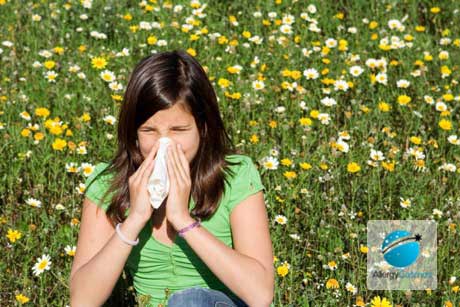
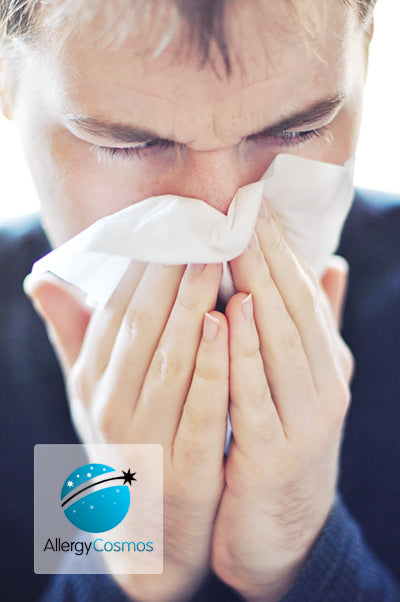
Hay fever is one of the most common of the allergic diseases. Symptoms of sneezing, watery eyes, and blocked nose can make life a misery for many, particularly young people, during spring, summer and early autumn. The culprit is pollen from wind-pollinated trees, grass and weeds. Fortunately, there are several treatment options available for hay fever. You may even be cured of the condition by immunotherapy. But, as with all allergies, the best approach to hay fever is allergen avoidance.

A key step in controlling hay fever symptoms is to practice allergen avoidance - that is limit your exposure to the partciles in the air that cause your hay-fever symptoms.  

To best control hay fever is:

  • Be aware of seasonal changes of the pollens in the air
  • Capture pollen and other particle pollution by using an air purifier 
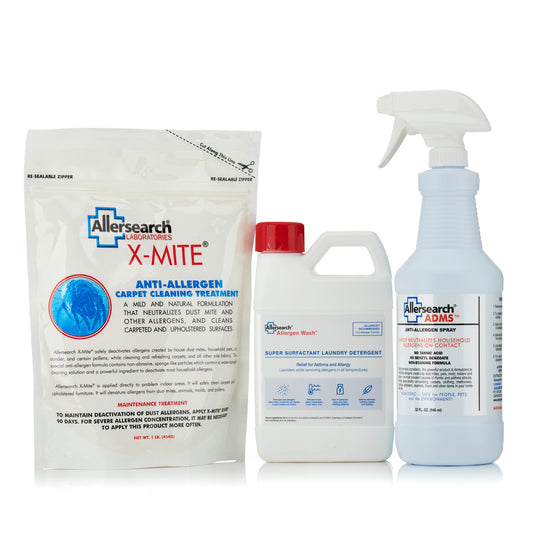
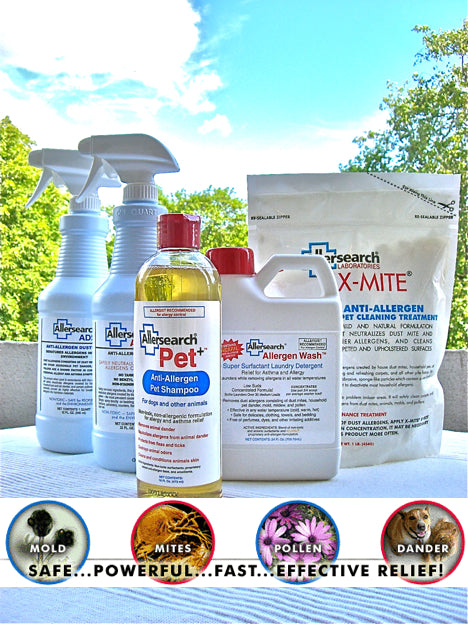
  • Wash bedding and other fabrics with Allersearch's Allerwash Laundry Detergent;
  • Use Allergy Dust Sprays such as ADS and ADMS to clean your home
  • Use a leakage free vacuum cleaner
See our entire range of Hay-Fever Relief Products


Top Hay-Fever Products per Category:

Allergy Cleaning Products

Allergy Cleaning Products

The Allersearch range of cleaning products is the number one choice for allergy sufferers around the world. The products are tried, tested and recommended by allergy specialists. Click here to see our entire range: Allergy Cleaning Product

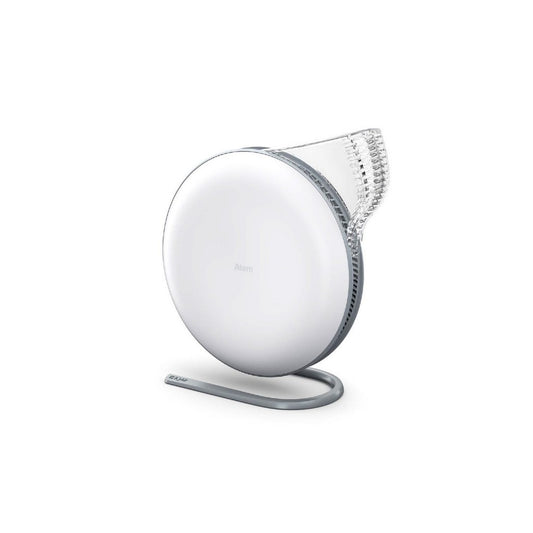
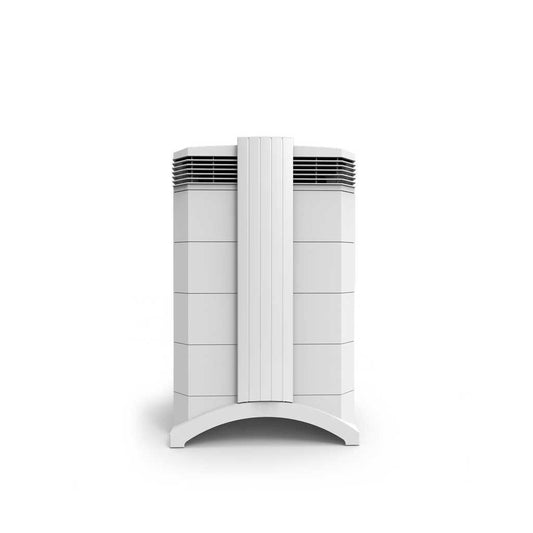
Allergy Air Purifier

Pollen, grass, dust mite and mould allergens should be take out of the air in our home to limit your allergy symptoms. A good allergy air purifier will capture large and small particles.  We offer a broad range of sizes, ideal for any room. To find the right air purifier for your home, click here: Allergy Air Purifier

FAQ about Hay Fever:

FAQ about Allergies

What is hay fever?

top of page ^

Hay fever, which is also known as seasonal allergic rhinitis, is one of the allergic diseases, like asthma and eczema. It is caused by exposure to allergens in various types of pollen.

What are the symptoms of hay fever?

top of page ^

The most common symptoms of hay fever are:

  • Red, watering eyes
  • Sneezing
  • Streaming nose
  • Blocked nose/nasal congestion
  • Itching of the nose, mouth, throat, eyes
  • Dry throat
  • Earache
  • Loss of sense of smell 

What causes the symptoms of hay fever?

top of page ^

Allergens in pollen grains are protein molecules which the immune system ‘over-reacts’ to in the case of an allergic person. Immune molecules known as immunoglobulin E are produced and these cause the release of an inflammatory chemical called histamine from mast cells (a type of immune cell). It is histamine that produces the characteristic symptoms of an allergic reaction. A non-allergic person’s immune system will not produce this reaction on exposure to allergens in pollen.   

How common is hay fever?

top of page ^

Hay fever is a relatively new disease, first described in 1819. It took nine years to accumulate sufficient hay fever cases to present a paper on this new condition to a medical journal.  Now allergic rhinitis is much more common, particularly in the UK, which has more cases than anywhere else in the world (followed closely by Ireland, New Zealand, Australia and Canada). Here are the facts:

  • Allergic rhinitis is the most common allergic disease.
  • 10-25% of adults in the UK have hay fever.
  • Hay fever affects 10% of children aged 6-7 and 15% of those aged 13-14.
  • Hay fever is now being seen in children as young as three and four.

What types of pollen cause hay fever?

top of page ^Tree, grass, and weed pollens contain hay fever allergens. These have small, insignificant flowers which do not attract insects. Generally, the brightly coloured flowers of insect-pollinated garden plants like roses, or wild plants, including poppies, do not cause hay fever. The tiny grains of pollen (ranging in size from 0.25 to 100 microns) readily become airborne and are capable of travelling through the air many miles from their source.

Check the lists below to see which pollens might be causing your hay fever:

Trees:

  • Ash
  • Birch
  • Cedar
  • Chestnut
  • Cypress
  • Elder
  • Elm
  • Hazel
  • Oak
  • Poplar
  • Sycamore
  • Walnut
  • Willow
  • Grass:

  • Dogstail
  • Fescue
  • Foxtail
  • Meadow
  • Oat
  • Rye
  • Timothy
  • Vernal.
  • Weeds:

  • Dock
  • Mugwort
  • Nettle
  • Plantain
  • Ragweed
  • Sorrel
  • Wall pellitory. 
  • How is hay fever diagnosed?

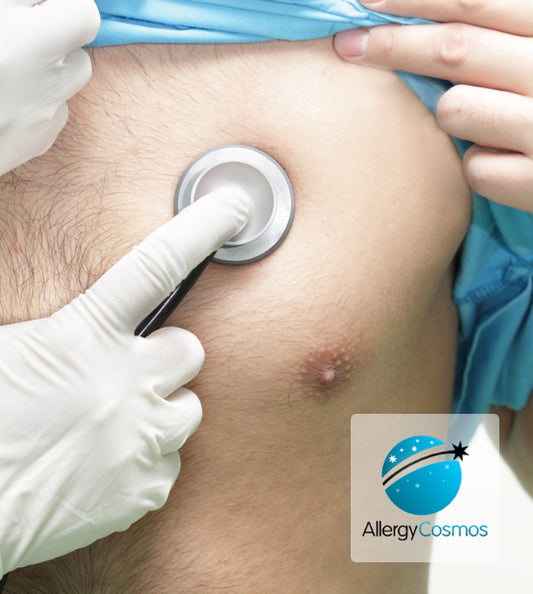
    top of page ^A simple account of your symptoms and their seasonality may be all that is required to diagnose hay fever. If confirmation and/or identification of the type of pollen involved is needed, then a skin prick test can be used.  A tiny drop of a pollen extract is placed on the skin (either the arm or the back). If the person is allergic to the pollen, a small red weal will appear, usually within 15 minutes. Referral to a specialist is rarely necessary in simple cases, but should be done if you don’t respond to treatment (see below) or if there is doubt over the diagnosis.

    Can hay fever be confused with other conditions?

    top of page ^A person with hay fever symptoms may, instead, be suffering from:

    Perennial rhinitis (symptoms are really present all year round but, for some reason, seem worse in the pollen season).  In perennial rhinitis, some other allergen, like house dust mite, is involved.

    Sinusitis. This is inflammation of the sinus cavities, which are empty spaces within the skull, behind the nose. Sinusitis may be caused by allergy, but it may also be caused by benign growths in the nose called polyps. Acute sinusitis can also result from bacterial infection.

    What effect can hay fever have on everyday life?

    top of page ^Hay fever is not considered a medically serious allergy, unlike peanut allergy or asthma which can cause potentially fatal attacks. The main impact it has in everyday life is upon academic performance during exams (given that the exam season usually coincides with the pollen season).  A study[i]  of nearly 2,000 GCSE candidates in the West Midlands  found that those who had hay fever were 40% more likely to drop a grade between their mock exams, held earlier in the year, and the formal exam held in the summer, when compared to those who did not have hay fever.  Dropping grades between mocks and GCSEs is unusual. Students often find their mock grade a motivating factor and might be expected to improve on it, or at least do no worse.   

    When does the hay fever season begin and end?

    top of page ^The tree pollen season generally lasts from mid to late March to mid-May, although the exact date varies from year to year with temperature and the amount of sunlight. A harsh winter will delay the start of the tree pollen season. The season for each tree species lasts three to four weeks. Tree pollen appears in the following order (early to late) hazel, alder, poplar, ash, birch and oak. 

    The grass pollen season begins in mid-May and ends in July. Peak grass pollen levels are generally found in June. Finally, the weed pollen season overlaps and extends beyond the grass pollen season – from the end of June to September, the exact duration depending on the species of weed. Dock weed has the longest pollen season. Other weeds associated with pollen allergy include nettle, sorrel, and ragweed.

    The weather also affects the amount of pollen in the air on a particular day. There is more on a sunny day, less on a rainy day. Cloudy days are associated with a build up of pollen in plants that is released as soon as the weather improves.Time of day also affects the likelihood of encountering pollen allergens. Be aware that: 

    • Grass releases pollen from around 7 in the morning – later if the ground is damp. Some grass species don’t release their pollen till the afternoon though.
    • Birch trees release their pollen between noon and 6pm.
    • Warm air lifts pollen high into the atmosphere during the day. When air cools down, as dusk falls, pollen starts to descend. You may well be exposed to one of these ‘pollen showers’ in the early hours of the morning if you sleep with a window open. 

    Is air pollution linked to hay fever?

    top of page ^There is strong evidence that people living near roads affected by heavy traffic are more likely to become allergic to pollen and have higher than expected rates of hay fever.

    How can I reduce my exposure to pollen?

    top of page ^Try these tips during the pollen season:

    • Be sure to keep pollen out of the bedroom – for instance, don’t go into the bedroom in outdoor clothes. Change into relaxing or night clothes first.
    • Wash pollen out of your hair when you come home from work.
    • Use a mask or scarf to cover your nose, or a dab of Vaseline inside each nostril, when you are outdoors.
    • Keep doors and windows (including car windows) closed whenever possible.
    • Delegate lawn-mowing.
    • Keep an eye on pollen forecasts and plan accordingly.
    • Consider investing in a HEPA (high efficiency particulate air) purifier to filter pollen grains out of indoor air.

    What medical treatments are there for hay fever?

    top of page ^If your symptoms are mild, use a long-acting non-sedating antihistamine such as:

    • Claritin (loratadine)
    • NeoClaritin (desloratadine)
    • Zyrtec (cetirizine)
    • Xyzal (levocetirizine)
    • Allegra (fexofenadine)

    These are available over-the-counter (ask the pharmacist if you have questions about any of these medications). The older antihistamines like chlorpheniramine (Piriton) and hydroxyzine (Atarax) have a significant sedating effect and should not be used if you are driving, operating machinery, or studying. These older drugs also interact with alcohol so having even a small amount to drink may significantly affect performance.  If hay fever mainly affects your eyes, antihistamine eye drops, such as Otrivine (antazoline) (also available over the counter) may help

    A nasal decongestant (drops or a spray) may also be helpful, in addition to your antihistamine, to clear a blocked nose. Some of these are corticosteroids, which act by reducing inflammation. These include Beconase (beclomethasone) and Flixonase (fluticasone).  Meanwhile, Otrivine/Sudafed (xylometazoline) is a non-corticosteroid nasal decongestant. All of these can be bought without prescription.

    Very severe hay fever can be treated with a short course of oral steroids. This option is very useful if you have an occasion coming up (getting married, an important interview) where it is crucial you be symptom-free. If antihistamines and nasal steroids do not do the job, then there is also Singulair which is a prescription medicine used for asthma and allergies. An antibody drug called Xolair (omalizumab) which targets the IgE antibody produced by the allergen has also been introduced recently. This approach gets to the root cause of hay fever, because IgE activates mast cells, making them produce histamine which triggers the allergic symptoms. 

    Are there natural remedies for hay fever?

    top of page ^Here are a few things you might like to try:

    • Nettle extract tablets. One clinical trial conducted many years ago suggested nettles may be able to reduce the intensity of the allergic response in hay fever.
    • Capsaicin, the hot chemical in chillis, can provide long-lasting relief from hay fever symptoms. But beware, capsaicin treatment is powerful and can damage the delicate nasal passages. The spray treatment should only be applied under medical supervision.
    • Butterbur. A herbal remedy which has been used against hay fever symptoms with some success in clinical trials.
    • Acupuncture, hypnotherapy. Worth a try as there is some (limited) evidence that they may help.

    Can hay fever be cured?

    top of page ^Immunotherapy (also known as densensitisation or allergy shots) offers a way of overcoming hay fever for good. In the desensitisation approach, the system is ‘flooded’ with pollen allergen so that the body will eventually learn to ‘ignore’ it.  Patients for immunotherapy need  to be carefully selected, and treated in a specialist centre.   The procedure now involves only four injections and has been shown to give lasting benefit. There is also a home version known as sublingual immunotherapy, in which the patient places medication under the tongue (currently only available for grass pollen allergy). People with hay fever are eight times more likely to have asthma, which fits in with the ‘united airway’ concepts which many allergy experts have noted. The significance of treating your allergic rhinitis for long-term results with immunotherapy is that it may prevent asthma in the future. 

    What kind of alternative therapies are there for hay fever?

    top of page ^A number of other approaches to managing hay fever have been suggested including:

    • Saline nasal douching
    • Probiotics
    • Ultraviolet light
    • Acupuncture

    There is also a new – but very expensive – antibody drug called omalizumab which targets the IgE antibody produced by the allergen. This approach gets to the root cause of hay fever, because IgE activates mast cells, making them produce histamine which triggers the allergic symptoms. 

    Links.


    [i] Walker S et al Seasonal allergic rhinitis is associated with a detrimental effect on examination performance in United Kingdom teenagers: case-control study. J Allergy Clin Immunol 2007;120:381-7