Need help? Phone us 0800 0148 667 9am to 8pm - 7 days a week
Shopping Cart Items: 0 Total: £0.00 Go To Shopping Cart »

Asthma - What is it?

Asthma Air Purifiers | Asthma Cleaning Products | IQAir HealthPro 250 

Surprisingly, perhaps, there is no precise definition of asthma as a disease.  But the International Consensus Report on the Diagnosis and Management of Asthma gives the following: ‘Asthma is a chronic inflammatory disorder of the airways in which many cells and cellular elements play a role.’

A key step in controlling your allergy symptoms is to practice allergen avoidance - that is limit your exposure to the partciles in the air that cause your allergy symptoms.  

To best controll your asthma symptoms:

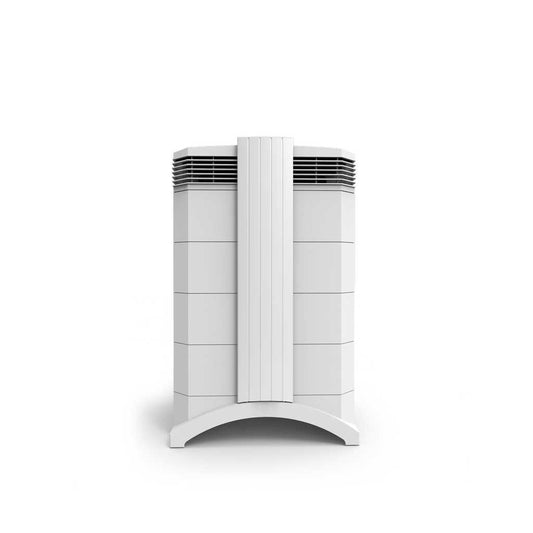
  • Capture the broadest range of asthma triggers by using a HEPA air purifier with gas filters
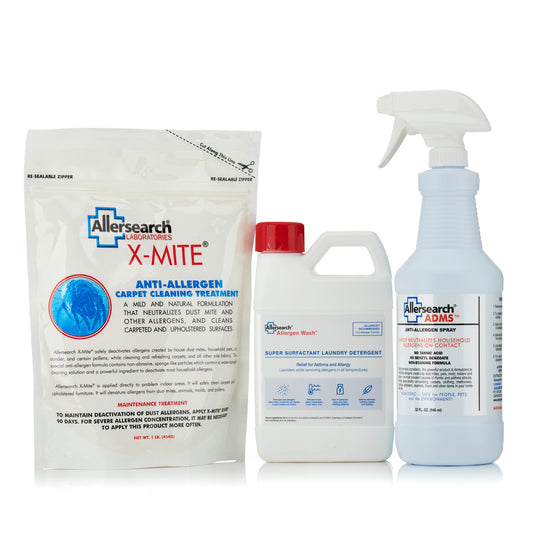
  • Wash bedding and other fabrics with Asthma Friedly Laundry Detergent 
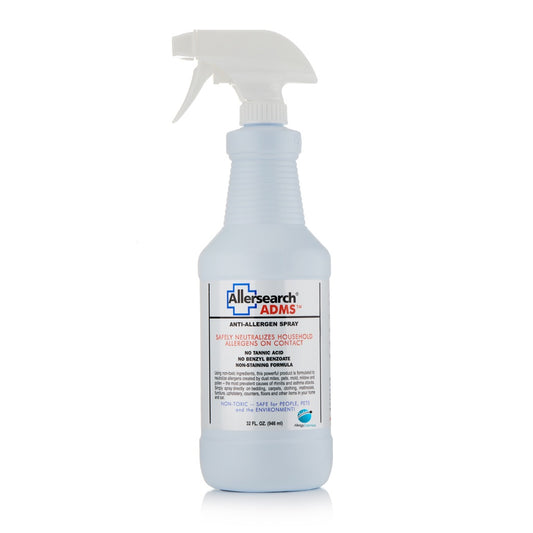
  • Use Asthma Dust Sprays to clean your home
  • Use a leakage free HEPA vacuum cleaner
See our entire range of Asthma Relief Products

Asthma - What Causes Asthma Attacks

Top Asthma Relief Products per Category:

Asthma Cleaning Products

Asthma Friendly Cleaning Products

Using Allersearch's asthma friendly cleaning products will help you to reduce irritation from pollen, dust mite allergens and pet dander. Try our asthma friendly dust spray, laundry detergent and carpet powder: Allergy Cleaning Product

Asthma Air Purifier

These asthma air cleaners are designed to alleviate your asthma symptoms, by limiting your day to day exposure to the broadest spectrum of asthma triggers such as traffic pollution, pet dander, dust mite allergens and more.  Click here for our entire range: Asthma Air Purifier

FAQ about Asthma:

FAQ about Asthma


Are there different types of asthma?

top of page ^

Yes, and it is worth noting how your doctor describes your asthma, as this will help guide management and treatment. There are two main types of asthma – childhood onset (sometimes called extrinsic, although this term is now a bit old-fashioned) and adult onset (or intrinsic, another old-fashioned term). Most asthma does begin in childhood and is often associated with other atopic diseases like eczema and rhinitis. Atopy means having a tendency to allergy which can be demonstrated in a laboratory test by production of an immune molecule called immunoglobulin E (IgE) on exposure to an allergen.

Childhood onset asthma often has clearly identifiable triggers which will bring on an attack. The link between the three allergic diseases in childhood is often called ‘the march of asthma’, describing the journey from, for instance, eczema in babyhood to asthma and rhinitis when a child reaches school age. These observations support the ‘common airway’ theory, where the nasal passages and the airways are considered to be part of the same system – so rhinitis and asthma would be expected to be closely linked.

Adult onset asthma may be a recurrence of childhood onset asthma, or it may be initial onset of the disease. Asthma can occur at any age, and should be considered in any patient who has a chronic cough. In adult onset asthma, there is often no obvious trigger, save for a chest infection.

Nocturnal asthma. Many people with asthma are woken at night with an attack. This feature is often associated with poor overall control of the disease.

Occupational asthma. Officially recognised as an industrial disease, occupational asthma is caused by exposure to a substance in the workplace. The UK Health and Safety Executive lists around 50 such substances, which include chemicals like isocyanates, aluminium and hair spray ingredients, various kinds of dust like flour and wood dust, and animals.

Exercise-induced asthma. Physical activity is a common asthma trigger, particularly in children.

Brittle asthma. A severe form of asthma. In type 1 brittle asthma, the disease is uncontrolled and marked by very variable peak flow. In type 2 brittle asthma, there are sudden severe deteriorations from a stable baseline.

Aspirin-sensitive. Asthma that is brought on by aspirin and related drugs (known as non-steroidal anti-inflammatory drugs, such as ibuprofen). Asthma may also be brought on by beta-blockers, a common type of drug for treatment of high blood pressure.

What are the three clinical hallmarks of Asthma?

top of page ^

The three clinical hallmarks of Asthma are:

  • Inflammation in the airways of the lungs with production of mucus, narrowing of the airways
  • Hyper-responsiveness (‘twitchiness’) of the airways
  • Reversible obstruction of the flow of air in and out of the lungs during an attack

Doctors used to sometimes refer to asthma as ‘wheezy bronchitis’ especially in children, to shield patients and their families from the perceived stigma of asthma. However, people are now more willing to talk openly about asthma, thanks to the work of charities like Asthma UK. Various celebrities with asthma, such as Paula Radcliffe and Paul Scholes, have gone public with their condition, which may also have helped raise its profile.

How common is asthma?

top of page ^

Asthma now affects around 300 million people worldwide and has increased in prevalence over the last 20 years although rates may have levelled off in some countries, having peaked around 1990. There has also been a downward trend in GP consultations for asthma, in hospital admissions, and in death from the disease. At present, around 5% of adults and 10% of children have clinically significant asthma in many countries, including the UK.

Typical asthma syptoms are:

  • Wheezing
  • Coughing
  • Shortness of breath (the most common symptom). Typically, it is more difficult to breathe in than breathe out
  • Chest tightness

What is the prognosis in asthma?

top of page ^ Asthma tends to be a chronic disease. However, around 50% of children do ‘outgrow’ asthma by the time they become teenagers. But their asthma sometimes re-emerges when they are older.  Like other chronic diseases, such as diabetes, asthma is not curable in the same way as, say, pneumonia, but it can be managed successfully so you can still live a full life. Be wary of anyone on the Internet promising a ‘cure’ for asthma. 

Is there a genetic factor in asthma?

top of page ^ Asthma and atopy do tend to run in families. However, asthma is not a single-gene disorder, with a clear pattern of inheritance. Instead, there are probably several ‘susceptibility’ genes involved in asthma, each contributing to the risk of developing the disease. So far, five potential susceptibility genes for asthma have been identified. One of these, called ADAM33, has been linked to both asthma and bronchial hyper-responsiveness. ADAM33 is thought to be involved in airway remodelling, a process by which chronic inflammation actually alters the structure of the airways and makes them more likely to become obstructed.

What happens in an asthma attack?

top of page ^

Exposure to a trigger, such as house dust mite, causes contact between the allergen and IgE molecules on mast cells (immune cells in the lungs). The contact causes release of a cascade of inflammatory molecules, such as histamine, into the airways and the onset of symptoms, including:

  • Worsening breathlessness, with wheezing or coughing
  • Inability to complete a sentence in one breath
  • Increased heart and breathing rate
  • Sweating
  • Pallor
  • Frightened, upset, but alert

If you have an acute asthma attack (sometimes called an exacerbation), follow these steps:

  • Take your usual dose of reliever medication
  • Wait 5 to 10 minutes
  • If symptoms go away after this time, carry on as normal
  • If symptoms persist, call a doctor or ambulance (never be afraid of calling for help, even at night)
  • Keep taking your reliever every few minutes till help arrives

How is asthma diagnosed?

top of page ^

There are no laboratory tests, blood tests, or scans, that can definitely diagnose asthma and distinguish it from other lung conditions. Therefore, the diagnosis depends upon the doctor taking a careful medical history from the patient and noting whether the hallmark symptoms of wheeze, chest tightness, breathlessness, and cough are present.

If asthma is suspected, you may be sent for breathing tests to confirm the diagnosis. These include:

  • Spirometry. Breathing into a machine called a spirometer, which measures how much air you can breathe out, showing whether the airways are obstructed or not.
  • Peak expiratory flow rate test. A small hand-held device called a peak flow meter is used to measure how fast you can blow air out of your lungs in one breath.  The peak flow meter can be a useful tool to use yourself to monitor your asthma.
  • Skin prick, or blood tests, may be carried out to find out what allergens are triggering your asthma.

Can asthma be confused with other diseases?

top of page ^

Yes, it can. Most commonly, asthma can resemble chronic obstructive pulmonary disease (COPD) but there are some important differences. COPD tends to affect those over 35, there is no link with family history, the patient is usually a current smoker, and breathlessness is progressive rather than intermittent.

Other disorders which might be mistaken for asthma, because of similarity in symptoms, include:

  • Hyperventilation/panic attack
  • Heart failure
  • Cough induced by ACE inhibitors (a blood pressure drug)
  • Vocal cord problems
  • Cystic fibrosis
  • Brochiectasis
  • Pulmonary thromboembolism (blood clot on the lungs)
  • Lung cancer

How can I avoid an asthma attack?

top of page ^

There is no foolproof way of avoiding an asthma attack – sometimes it happens, however careful you have been. But taking asthma treatment as prescribed, and doing all you can to avoid your triggers, are the best way of protecting yourself.

What is the best strategy for long-term management of asthma?

top of page ^

Well-controlled asthma is defined as having

  • No, or very few, daytime symptoms
  • No limitation on activities due to asthma
  • No night-time symptoms
  • Minimal (less than twice a week) need for reliever
  • No exacerbations

Asthma control is the goal of long-term management, but how this is achieved depends on where you are starting from. Is your asthma intermittent, or persistent? Mild, moderate, or severe? There are many drugs available to prevent and relieve asthma and you should be prescribed whatever is appropriate for your type of asthma. Then, your condition should be monitored (this is where the peak-flow meter comes in) and your medication might be ‘stepped down’ if control is good or ‘stepped up’ if it is not. Patient education is as important as having medication in asthma. This covers topics like:

  • Understanding the disease
  • Understanding your medication and when/how to use it
  • Self-monitoring
  • Avoiding and managing exacerbations
  • Allergen/trigger avoidance

Ideally, all of this should be put together in a written Asthma Action Plan which your asthma nurse should support you with (unfortunately, a study by Asthma UK showed that only a tiny minority of patients have such as plan, even though research has shown their effectiveness).

How do I manage childhood asthma?

top of page ^

It is more difficult to diagnose asthma in young children than it is in adults.  Wheezing is very common in babies and, often, it is not asthma. Peak-flow meters do not give accurate results in young children, so often symptoms need to be monitored over a period of time before diagnosis can be made.

Children are prescribed similar medicines to adults with asthma, although in lower doses. These are safe for the child to take. Your child should always carry their reliever, and know how to use it.  A regular review is essential to make sure they are taking the lowest possible dose of any asthma medication.

What medical treatments are there for asthma?

top of page ^ The two main treatments are:

  • Preventers: such as beclomethasone and budesonide, which damp down inflammation in the airways and help protect you from an attack.
  • Relievers: such as salbutamol and terbutaline, which relieve symptoms.

Both preventers and relievers are usually in inhaler form to deliver the drug to the lungs.  They are usually corticosteroid drugs (not the same as the anabolic steroids used for body building, though sometimes also called steroids for short). Sometimes it is necessary to take a short course of oral corticosteroids if asthma is severe.

Newer drugs include the oral leukotriene receptor antagonists like monteleukast (Singulair) and the monoclonal antibody omalizumab (Xolair) which act directly on the immune system.

Will there be a cure for asthma?

top of page ^ There is no cure for asthma on the horizon, as yet, but there are a couple of promising new treatments:

  • Bronchial Thermoplasty. This is an outpatient technique in which radiofrequency thermal energy is used (under local anaesthetic) to destroy some of the muscle tissue in the lungs, thereby opening up the airways.
  • Immunotherapy. Repeated injection of a specific allergen may ‘retrain’ the immune system to tolerate it. Studies have shown some benefit in asthma by inducing tolerance to house dust mite, pollen, animal dander, and moulds.  There is also some evidence that treating children with rhinitis by immunotherapy reduces their risk of going on to develop asthma.